
12 Reasons to Include Wellness Activities at Corporate Events

There are a number of reasons to include wellness activities when planning a corporate event. This has become an important factor for event organisers and is crucial for several reasons. Prioritising wellness shows that the company values its employees’ physical, mental, and emotional health. This fosters a positive and supportive work culture, leading to increased job satisfaction and loyalty.
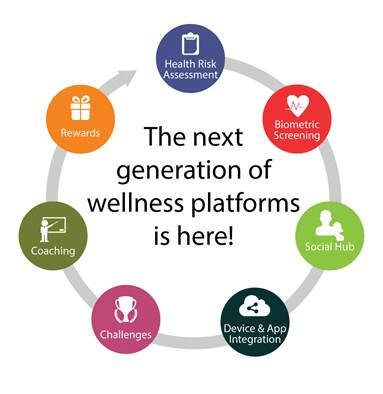
Stress Reduction:
Corporate events can often be intense and stressful. Incorporating wellness activities provides employees with tools to manage stress, relax, and recharge, improving their overall experience.
Productivity and Engagement:
When employees feel well and are less stressed, they are more likely to be productive and engaged during the event. This can lead to better interactions, enhanced learning, and more effective networking.
Positive Brand Perception:
Companies that invest in employee wellness are seen as caring and responsible employers. This positive image can attract talent and enhance the company’s reputation among clients, partners, and potential recruits.
Improved Focus and Creativity:
Wellness activities like mindfulness sessions or fitness breaks can improve cognitive function, creativity, and problem-solving skills. This can lead to more innovative thinking during discussions and workshops.
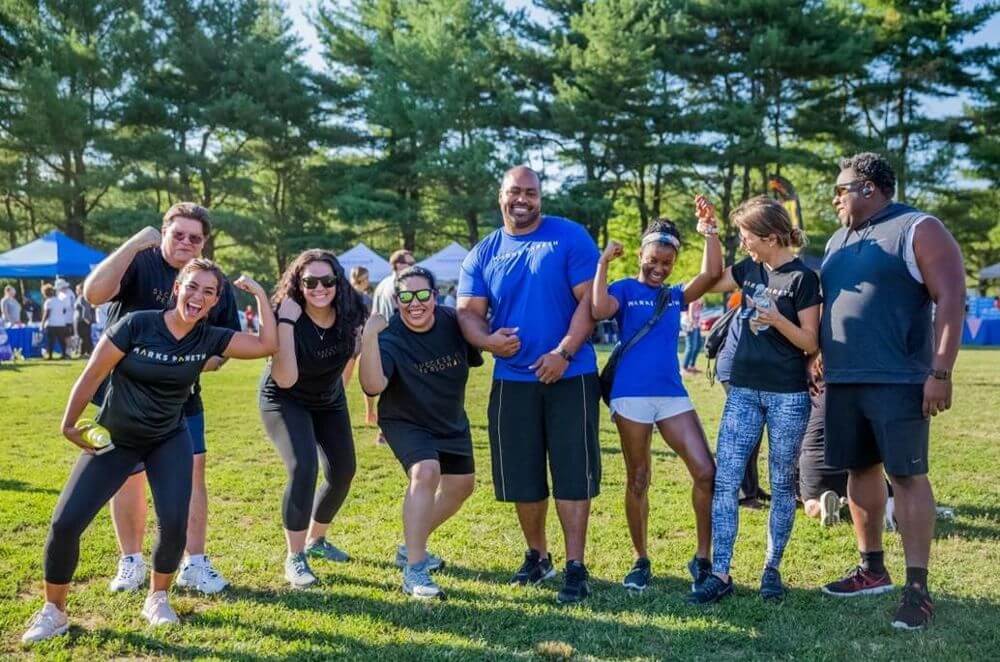
Team Building:
Wellness activities provide opportunities for employees to interact in a relaxed setting, fostering teamwork, collaboration, and a sense of camaraderie.
Retention and Recruitment:
A strong wellness focus can contribute to employee retention by creating a supportive work environment. It can also attract new talent who value a company’s commitment to employee well-being.
Work-Life Balance:
Corporate events often disrupt employees’ regular schedules. Incorporating wellness elements helps maintain a balance between work commitments and personal well-being.
Reduced Burnout:
High-stress events can contribute to burnout. By incorporating wellness activities, companies can mitigate burnout risks and support employees’ mental and emotional resilience.
Long-Term Health:
Encouraging healthy behaviour during events, such as offering nutritious meals and fitness opportunities, can positively impact long-term employee health outcomes.
Learning Retention:
Employees are more likely to retain information and skills learned during an event when they are in a relaxed and receptive state of mind, which wellness activities can help achieve.
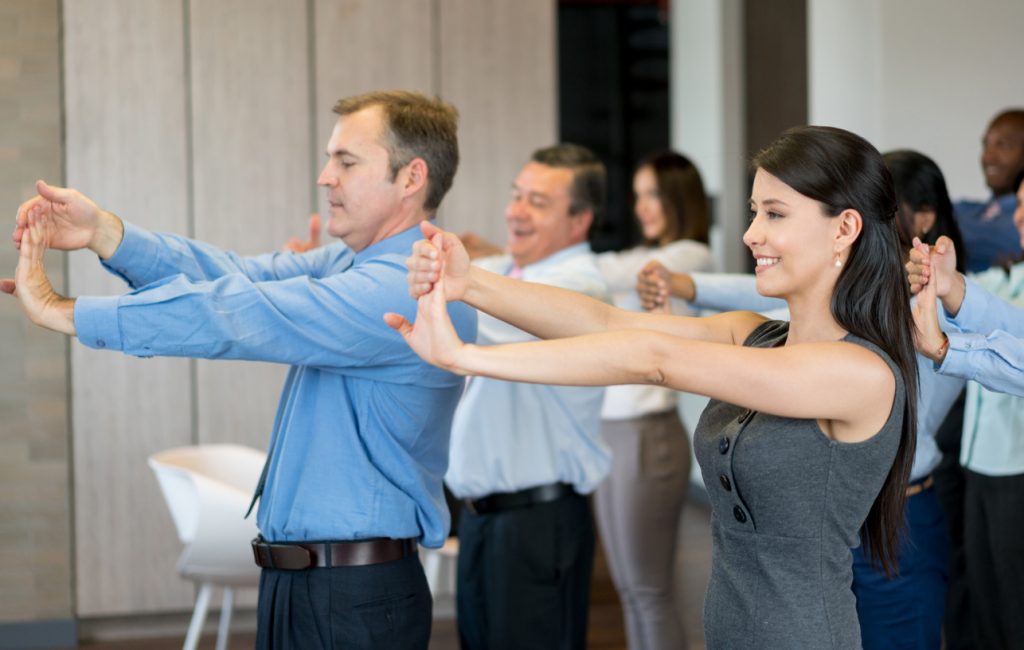
Employee Morale:
Employees who feel cared for and supported by their employer are more likely to have positive attitudes and higher morale, contributing to a more harmonious workplace.
Reduction in Absenteeism:
By focusing on wellness, companies can contribute to the overall health of their employees, leading to potential reductions in sick days and absenteeism.
Incorporating wellness into corporate events goes beyond just the immediate benefits; it supports a holistic approach to employee satisfaction, engagement, and overall success. By creating a well-rounded and positive event experience, companies can foster a healthier and more motivated workforce.
Related Posts
The Venue Looked Perfect Online, So Why Didn’t It Work on the Day?
We’ve all done it. Spotted a venue online, looked through the photographs and thought, “That’s exactly what we’re looking for.” The rooms are beautifully styled, the location is convenient, the capacity…
BAM Victoria: The Office Christmas Party Gets a Microphone
Every office has someone who knows all the words to ABBA. BAM Victoria gives them somewhere to prove it. For a Christmas party with more personality than any other, this…

Your Event Has Outgrown the Office. What Happens Next?
You have to borrow chairs from another floor. The meeting room is too warm, the people at the back can’t see the screen and lunch is being laid out beside…
The Death of the Boring Conference: What Delegates Expect in 2027
There was a time when organising a corporate conference meant finding a hotel with a large enough meeting room, putting rows of chairs in front of a stage and making…