
How to Write a Venue Brief to Get Better Shortlists
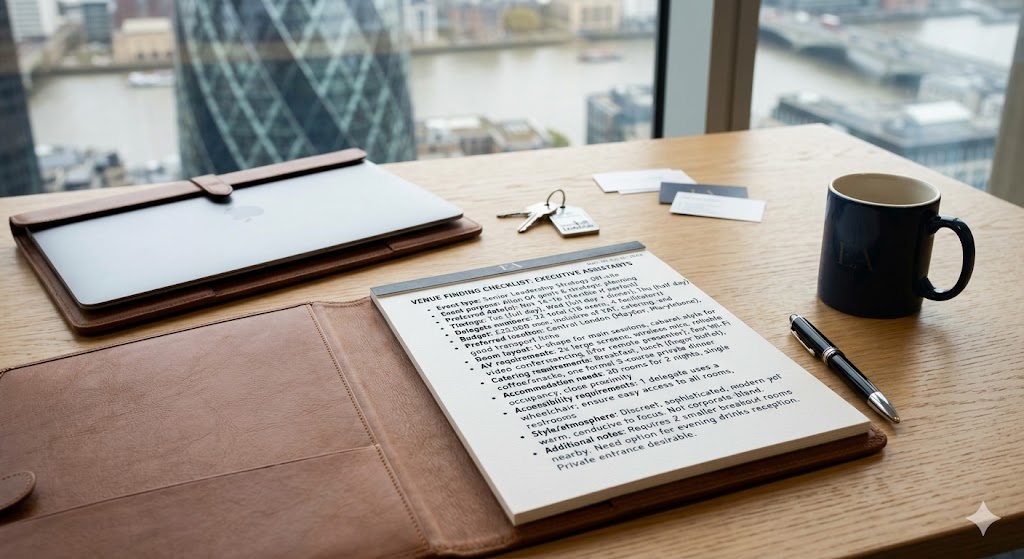
A well-written venue brief can save hours of time and lead to much better venue options. When your brief is clear, venue finders and venues themselves can quickly understand what you need, which means you get a shortlist that is more relevant, more accurate, and easier to act on.
For Executive Assistants, PAs, and event organisers, this is especially important. A strong venue brief reduces back-and-forth, avoids unsuitable suggestions, and helps you find the right venue much faster.
Why a venue brief matters
The quality of your shortlist depends on the quality of your brief. If the brief is vague, the results are usually vague too. That often means extra emails, unnecessary calls, and more time spent filtering out venues that were never right in the first place.
A clear brief helps you:
-
Save time.
-
Get more accurate quotes.
-
Compare venues more easily.
-
Reduce misunderstandings.
-
Improve the chances of finding the right venue first time.
In short, the better your brief, the better your shortlist.
What to include in a venue brief
A venue brief does not need to be long, but it does need to cover the essentials. The aim is to give enough detail for a venue finder or venue team to understand exactly what you are looking for.
Event type
Start with the basics. What kind of event are you planning? A board meeting, training day, away day, conference, client dinner, or product launch will all need different types of venues.
Being specific helps narrow the search immediately and prevents you from receiving irrelevant options.
Event purpose
Explain what the event is for and what you want it to achieve. Is it a strategy session, a team-building day, a presentation, or a networking event?
The purpose of the event affects the venue style, layout, atmosphere, and facilities you will need. A venue for a quiet leadership meeting will not be the same as one for a lively client reception.
Date and timings
Include the preferred date, start time, finish time, and whether the event is flexible. If you have a few possible dates, list them clearly.
It is also useful to mention:
-
Arrival time.
-
Setup time.
-
Session timings.
-
Lunch or break times.
-
End time.
The more precise you are, the easier it is for venues to check availability properly.
Delegate numbers
Numbers matter. Room size, catering, pricing, and layout all depend on how many people will attend.
If your numbers are not final, give a realistic estimate or a range. You can also note whether organisers, speakers, or VIP guests should be included in the total.
Budget
One of the most important parts of any venue brief is the budget. If you do not include it, you may be sent options that are far outside your price range.
Be clear whether the budget is:
-
Per person.
-
For venue hire only.
-
All-inclusive.
-
Flexible.
-
Strict.
It also helps to mention whether there is room to stretch for the right venue.
Location
Location can make a huge difference to attendance and convenience. Include the preferred city, area, region, or transport requirements.
You might want to mention:
-
Near a train station.
-
Close to the office.
-
Easy motorway access.
-
Central London.
-
A specific city or county.
The more specific your location brief, the more relevant the shortlist will be.
Room layout
Different events need different setups. A venue that works well for a presentation may not be suitable for workshops or group discussions.
Useful layout details include:
-
Boardroom.
-
Theatre.
-
Cabaret.
-
Classroom.
-
U-shape.
-
Breakout spaces.
If the event needs more than one room or a flexible layout, say so clearly.
AV and technology
Technical requirements should always be included. This is especially important for events with presentations, hybrid attendees, or external speakers.
Mention any of the following if needed:
-
Projector or large screen.
-
Microphones.
-
Sound system.
-
Wi-Fi.
-
Video conferencing.
-
Hybrid support.
-
On-site technical assistance.
This helps avoid venues being shortlisted if they cannot support your event properly.
Catering
Food and drink are often a key part of the event experience. Be clear about what catering is needed and when.
Include details such as:
-
Tea and coffee.
-
Refreshment breaks.
-
Working lunch.
-
Buffet lunch.
-
Sit-down meal.
-
Dinner.
-
Dietary requirements.
If the event is client-facing or senior-level, presentation and service standards may also be important.
Accommodation
If people are travelling or the event spans more than one day, accommodation should be part of the brief. This is particularly important for conferences, away days, and overnight meetings.
Mention whether you need:
-
On-site bedrooms.
-
Nearby hotels.
-
Corporate rates.
-
Accessible rooms.
This helps avoid venues that would be awkward or impractical for your group.
Accessibility
Accessibility should always be included in the brief. The more information you give, the easier it is to find venues that work for everyone.
You may need:
-
Step-free access.
-
Lift access.
-
Accessible toilets.
-
Disabled parking.
-
Hearing support.
-
Ground floor rooms.
A good venue brief makes sure this is considered from the start rather than as an afterthought.
Style and atmosphere
Not every venue brief should focus only on practical details. The feel of the venue also matters.
You might want something:
-
Corporate and professional.
-
Contemporary and stylish.
-
Traditional and elegant.
-
Creative and informal.
-
Unique and memorable.
If the event is important to your business or clients, the atmosphere can play a big role in the overall experience.
A simple venue brief template
Here is a simple format you can copy and adapt:
Event type:
Event purpose:
Preferred date(s):
Timings:
Delegate numbers:
Budget:
Preferred location:
Room layout:
AV requirements:
Catering requirements:
Accommodation needs:
Accessibility requirements:
Style/atmosphere:
Additional notes:
This makes it much easier for venue finders to create a shortlist that actually matches your needs.
Common mistakes to avoid
Many venue briefs fall short because they leave out key details. The most common mistakes include:
-
Not giving a budget.
-
Forgetting the number of attendees.
-
Leaving out timings.
-
Being vague about location.
-
Not mentioning AV needs.
-
Failing to include accessibility requirements.
-
Describing the event too broadly.
Even a few missing details can lead to unsuitable venues and unnecessary delays.
How a better brief improves your shortlist
A strong venue brief gives you better results because it removes guesswork. Instead of receiving a random mix of venues, you get options that are much more closely aligned with the event.
That means:
-
Better value for money.
-
Less time spent reviewing unsuitable venues.
-
Faster decision-making.
-
Fewer emails and calls.
-
A smoother planning process.
For busy Executive Assistants and PAs, that can make a real difference.
How Function Fixers can help
Function Fixers helps clients get better venue shortlists by turning a clear brief into tailored venue recommendations. The more detail you provide, the more focused the search can be.
If you are short on time or not sure how to frame your requirements, Function Fixers can help you get started and save valuable admin time. That means less searching, fewer delays, and a better chance of finding the right venue first time.
Final thoughts
Writing a good venue brief does not take long, but it can make a big difference. When you include the right information from the start, you are far more likely to receive a shortlist that is relevant, practical, and easy to work with.
A clear brief leads to better options, faster decisions, and less stress overall.
Need help finding the right venue for your next event? Function Fixers can use your brief to create a tailored shortlist that matches your budget, location, and requirements.
Get in touch with Function Fixers today.
Related Posts
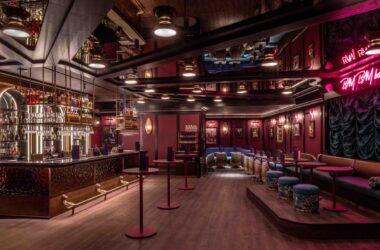
BAM Victoria: The Office Christmas Party Gets a Microphone
Every office has someone who knows all the words to ABBA. BAM Victoria gives them somewhere to prove it. For a Christmas party with more personality than any other, this…

Your Event Has Outgrown the Office. What Happens Next?
You have to borrow chairs from another floor. The meeting room is too warm, the people at the back can’t see the screen and lunch is being laid out beside…
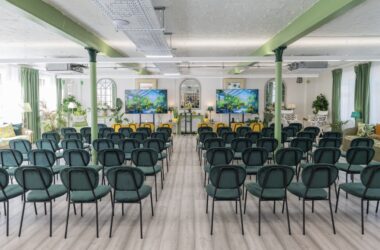
The Death of the Boring Conference: What Delegates Expect in 2027
There was a time when organising a corporate conference meant finding a hotel with a large enough meeting room, putting rows of chairs in front of a stage and making…
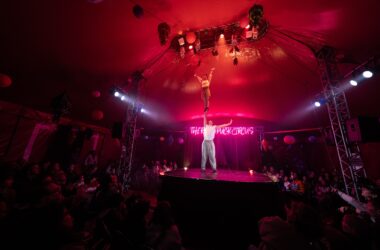
Doing Circus Differently: The Story Behind Fête du Puck
Say the word “circus” to most people and they picture one of two things. Red and yellow stripes, sawdust and a ringmaster in a top hat. Or a giant arena…