
Choosing the Best Venue for your Mediation
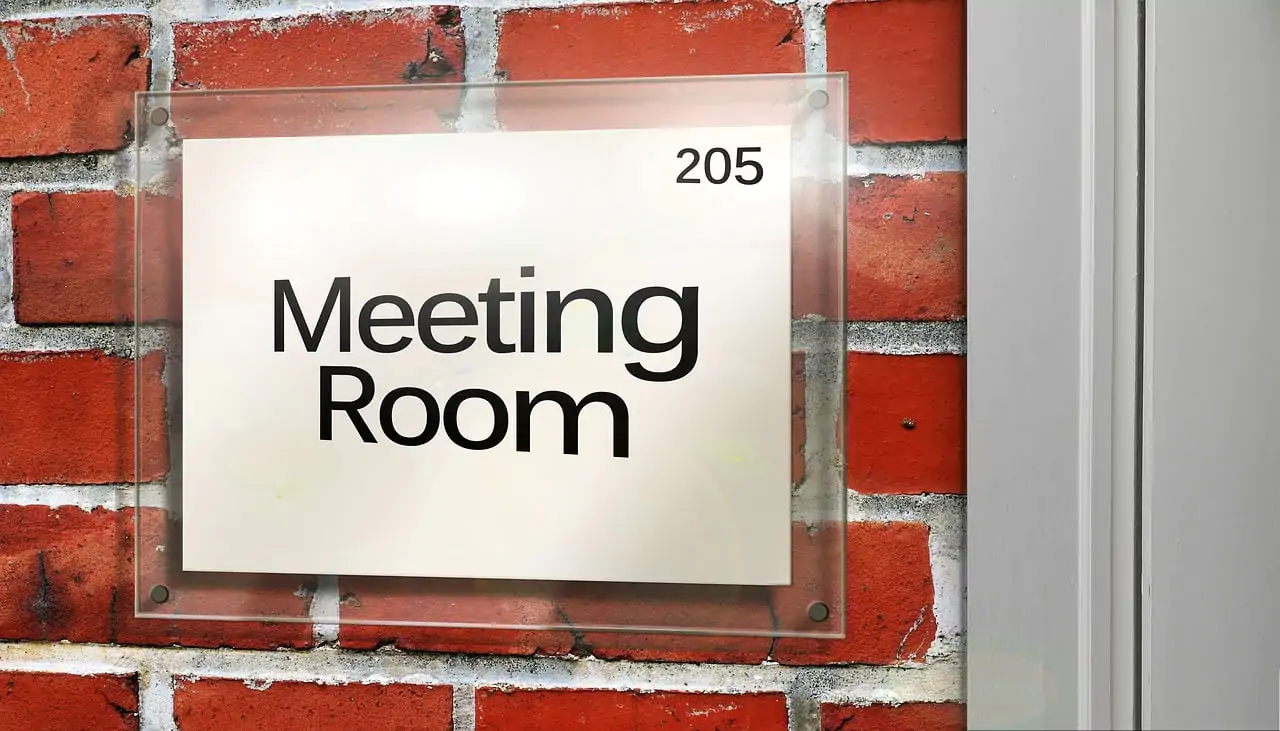
Mediation offers a confidential, cost-effective, and collaborative way to resolve disputes. But while most people focus on choosing the right mediator, one often-overlooked factor can make or break the process: the venue.
Whether you’re a party in a dispute, a legal professional, or a mediator, here’s how to choose the best setting to support a successful mediation.
🏛️ 1. Choose a Neutral and Accessible Location
Neutrality is essential. The mediation should never take place at the office or home of one of the parties, as it may create a power imbalance or discomfort.
Instead, look for:
-
Neutral locations like mediation centres or conference rooms
-
Convenience for all parties involved
-
Good accessibility (e.g., parking, public transit, wheelchair access)
Pro tip: Aim for a location that’s geographically fair to both sides, especially in high-stakes or sensitive matters.
🛋️ 2. Prioritise Comfort and Privacy
Tense conversations are easier in a relaxed setting. A well-chosen space should offer:
-
Comfortable seating and lighting
-
Climate control
-
Access to water, snacks, or coffee
-
Private breakout rooms for individual discussions
Above all, privacy is non-negotiable. Make sure the space is free from outside distractions and interruptions.
💻 3. Consider Technology and Amenities
Your venue should be ready for anything. Depending on the complexity of the case, the following might come in handy:
-
Strong Wi-Fi
-
Access to printers and copiers
-
Video conferencing tools
-
Whiteboards or screens for visual aids
Even in low-tech sessions, having these tools available gives you flexibility.
💼 4. Keep It Professional
The environment sets the tone. Avoid casual or overly informal settings—like coffee shops or personal homes—which can feel too relaxed or even invasive.
Instead, go for a space that communicates structure and respect:
-
Clean, tidy, and well-lit
-
Quiet and distraction-free
-
Professionally maintained
💸 5. Factor In Budget Without Sacrificing Quality
If cost is a concern, look for:
-
Court-affiliated mediation programs
-
Community mediation centres
-
Legal aid offices with mediation rooms
Private venues may offer more amenities but come with a higher price tag. Weigh the benefits carefully, especially if you’re funding the mediation out of pocket.
🌐 6. What About Online Mediation?
Virtual mediation is here to stay. If you’re meeting online, make sure:
-
You’re in a quiet, private space
-
You have a stable internet connection
-
You’re familiar with the video platform
Also, establish ground rules around confidentiality and communication upfront.
✅ Final Thoughts
The right mediation venue creates the right mindset. It makes participants feel safe, respected, and focused—key ingredients for a successful mediation.
Whether in person or online, choosing the best setting isn’t just about logistics—it’s a strategic decision that supports resolution from the very beginning.
Related Posts
The Venue Looked Perfect Online, So Why Didn’t It Work on the Day?
We’ve all done it. Spotted a venue online, looked through the photographs and thought, “That’s exactly what we’re looking for.” The rooms are beautifully styled, the location is convenient, the capacity…

BAM Victoria: The Office Christmas Party Gets a Microphone
Every office has someone who knows all the words to ABBA. BAM Victoria gives them somewhere to prove it. For a Christmas party with more personality than any other, this…

Your Event Has Outgrown the Office. What Happens Next?
You have to borrow chairs from another floor. The meeting room is too warm, the people at the back can’t see the screen and lunch is being laid out beside…
The Death of the Boring Conference: What Delegates Expect in 2027
There was a time when organising a corporate conference meant finding a hotel with a large enough meeting room, putting rows of chairs in front of a stage and making…