
Planning an Experiential Event
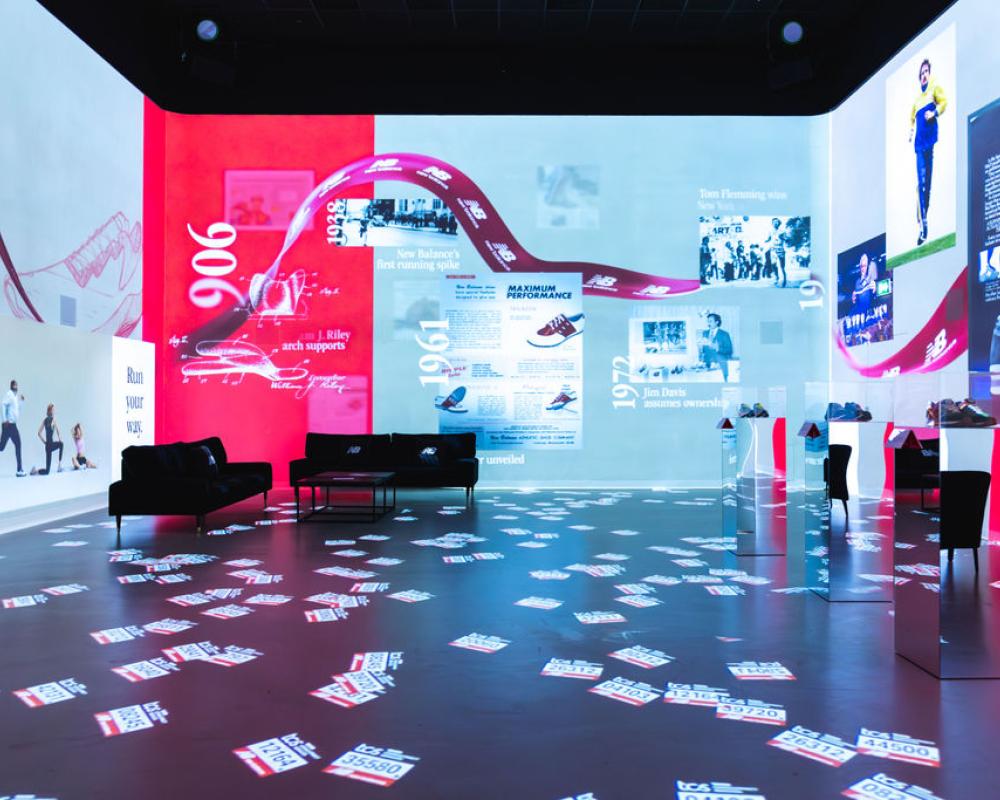
An experiential event is a type of marketing or promotional activity that focuses on creating a memorable and immersive experience for participants. Instead of simply conveying a message or showcasing a product, experiential events aim to engage the audience on a deeper level by allowing them to interact with the brand or product in a tangible and often multi-sensory way.
Planning an experiential event involves careful consideration of the brand, target audience, and the overall experience you want to create. Here is a step-by-step guide to help you plan an experiential event:
Define Objectives:
Clearly outline the goals and objectives of the experiential event. What do you want to achieve? This could include brand awareness, product engagement, customer feedback, or building emotional connections.

Image Credit: Marketing91
Know Your Audience:
Understand your target audience’s preferences, interests, and behaviors. Tailor the experience to resonate with them, ensuring that it’s relevant and engaging.
Budgeting:
Determine your budget early in the planning process. This will guide your decisions on venue selection, activities, marketing, and other aspects of the event.
Concept Development:
Brainstorm and develop a unique and compelling concept for the experiential event. Consider how the experience aligns with your brand and messaging. Think about the story you want to tell through the event.
Selecting the Venue:
Choose a venue that complements your concept and can accommodate the activities you have in mind. Consider the location, size, layout, and facilities available.

Credit 8 Northumberland
Activities and Experiences:
Plan interactive and engaging activities that align with your objectives and concept. This could include product demonstrations, workshops, hands-on experiences, virtual reality, or live performances. Aim for multi-sensory engagement.
Technology Integration:
Leverage technology to enhance the experience. This could involve augmented reality, virtual reality, interactive displays, or social media integration. Ensure that the technology chosen aligns with your audience’s preferences.
Logistics and Operations:
Work out the logistical details, including event flow, staffing requirements, and technical setups. Ensure that the event runs smoothly by coordinating with vendors, securing permits, and managing any necessary logistics.
Promotion and Marketing:
Create a marketing strategy to generate awareness and excitement about the event. Utilize social media, email marketing, influencers, and other channels to reach your target audience. Encourage attendees to share their experiences online.
Measurement and Analytics:
Define key performance indicators (KPIs) to measure the success of the event. This could include attendance numbers, social media engagement, customer feedback, and any other relevant metrics.
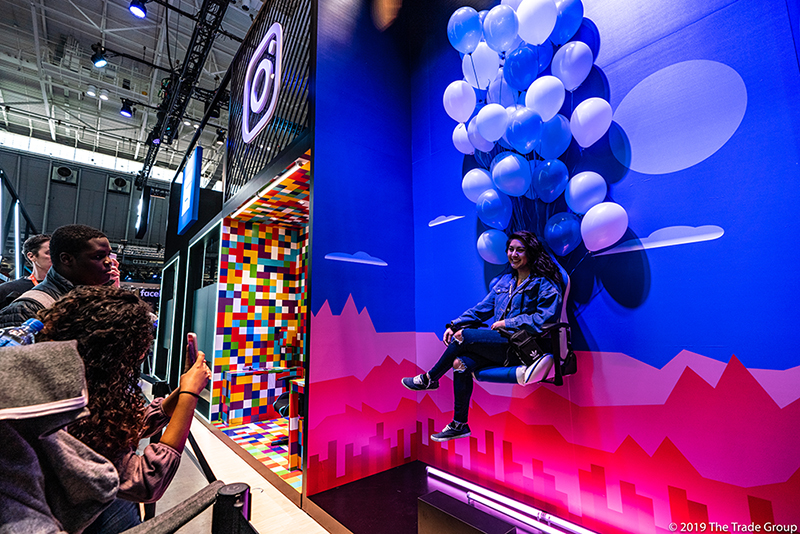
Courtesy Event ArchitectureAfter the event, follow up with attendees to gather feedback and assess the overall impact. You can use this information to refine your future experiential marketing efforts.
By following these 10 steps, you can create a well-planned and impactful experiential event that leaves a lasting impression on your audience.
Related Posts

Dry Hire vs Blank Canvas: What’s the Difference?
When planning an event—whether it’s a wedding, corporate gathering, or private celebration—you’ll often hear the terms “dry hire” and “blank canvas.” They’re sometimes used interchangeably, but they’re not quite the…

Why a Human-Led Approach Wins in an AI-Driven Venue Market
TL;DR In 2026, AI can find a venue in seconds, but it can’t guarantee your event’s success. While algorithms excel at speed, they lack the human judgment needed to spot…

10 Best Screening Rooms in Birmingham
In recent years, screening rooms and private cinemas have become one of the most effective and stylish venues for corporate events. Once reserved mainly for film premieres, these spaces are…

Top 10 Venues in the UK for Corporate Retreats
Choosing the right venue is one of the most impactful decisions when planning a corporate retreat. The setting you select shapes the team’s experience, encourages connection, and sets the tone…
