
What to Expect from a Dry Hire Venue

When you rent a dry hire venue, you are essentially renting the space itself without any built-in services or equipment. What you can expect from a dry hire venue largely depends on the specific venue and its policies, but here are some general expectations:
Blank Canvas:
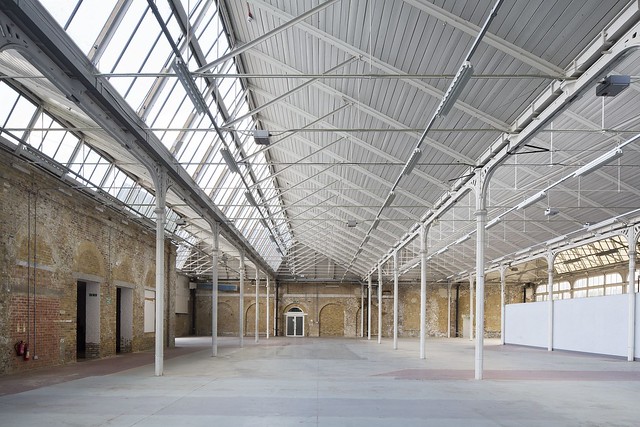
Dry hire venues typically provide you with a blank canvas. You’ll have an empty space to work with, which you can transform according to your event’s theme and needs. This can be advantageous if you are planning a creative event or something that you want to do an extensive set-build.
Exclusive Use:
More than likely you will have exclusive use of the venue during your rental period. This means you won’t have to share the space with other events or clients, giving you full control over the setup and schedule.
Freedom and Flexibility:
Dry hire venues offer a high degree of flexibility. You can bring in your own vendors, caterers, decorators, and equipment to tailor the event to your exact specifications.
Choice of Vendors:
Most dry hire venues will give you have the freedom to select vendors that suit your preferences and budget. This includes choosing caterers, AV companies, decorators, and other service providers.
Customisation:
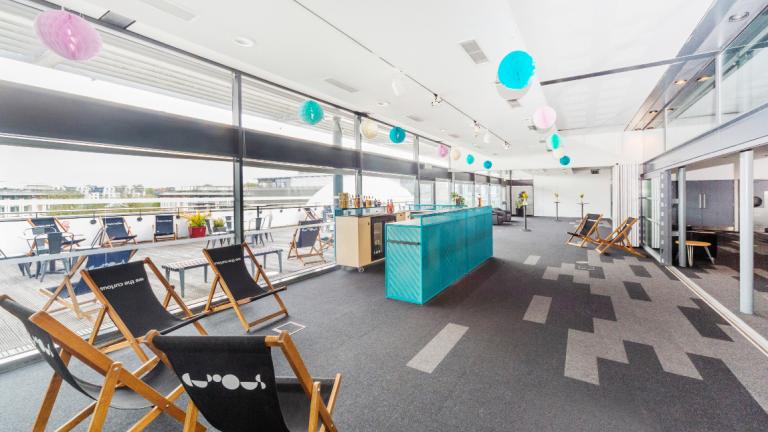
You can customize the layout, decor, lighting, and overall ambiance of the venue to align with your event’s theme or branding.
Full Responsibility:
With great freedom comes more responsibility. When you rent a dry hire venue, you are responsible for managing and coordinating all aspects of your event, including setup, tear-down, and any technical requirements.
Additional Costs:
While dry hire venues may have a lower base rental fee compared to full-service venues, keep in mind that you’ll need to budget for additional services and equipment. This may include hiring tables, chairs, AV equipment, restrooms, heating/cooling units, and more.
Security and Cleaning:
Depending on the venue, you may be responsible for hiring security personnel and arranging for post-event cleaning. Be sure to clarify these responsibilities in your contract.
Access Hours:
Check with the venue about the hours you’ll have access to the space. Some will allow 24 hr access, whilst some venues may have restrictions on when you can set up and when you must vacate the premises.
Insurance:
You may be required to provide liability insurance for your event, covering any potential accidents or damages that may occur during your rental period.
Technical Support:
If your event requires technical equipment or complex setups, you’ll need to hire an experienced AV or technical team to handle the technical aspects.
Permits and Regulations:
Ensure that you understand and comply with any local permits, zoning regulations, and safety codes relevant to your event.
Catering and Alcohol:
Verify if the venue allows external catering and alcohol service. Some dry hire venues may have restrictions or require you to use preferred vendors for these services.
Load-In and Load-Out:
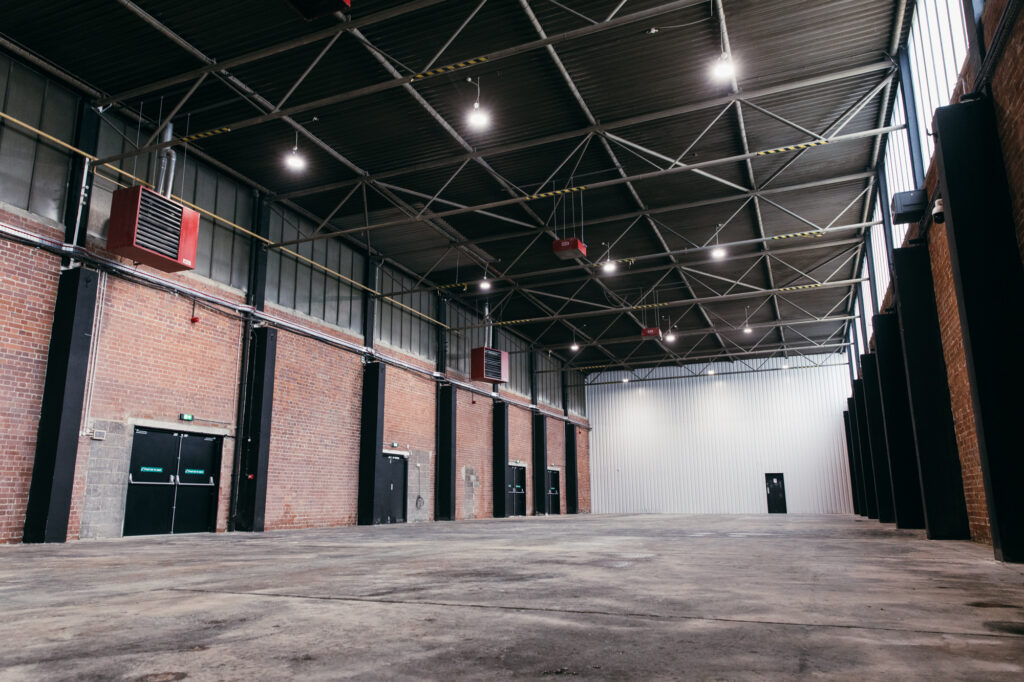
Plan for efficient load-in and load-out processes, especially if you have large equipment or decorations to transport. Make sure that the venue is fully accessible.
Communication:
Effective communication with the venue management is essential. Make sure to discuss all your requirements, timelines, and expectations well in advance to avoid any surprises on the event day.
There are a large number of dry hire venues both in London and across the UK – here are just a few for you to consider:
Testbed Leeds: 10,000 sq ft of blank space to dress as you want.
Digbeth, Birmingham: Originally a Birds Custard Factory, there are a number of large and small spaces suitable for a wide range of events.
Millbrook, Bedfordshire: 12 metre high ceilings means you can even host a full-height circus performance!
Plymouth Pavilions: 1800 sq m of event space, means that it can host up to 2500 people
Victoria Warehouse, Manchester: An industrial space suitable for a wide range of events large and small.
Protein Studios, London: 5 adjoining studios with a combined capacity of 13,000 sq ft
Once you have decided that you need a dry hire venue for your event, there are a number of experienced venue finding companies who can help with your search.
Related Posts
The Venue Looked Perfect Online, So Why Didn’t It Work on the Day?
We’ve all done it. Spotted a venue online, looked through the photographs and thought, “That’s exactly what we’re looking for.” The rooms are beautifully styled, the location is convenient, the capacity…

BAM Victoria: The Office Christmas Party Gets a Microphone
Every office has someone who knows all the words to ABBA. BAM Victoria gives them somewhere to prove it. For a Christmas party with more personality than any other, this…

Your Event Has Outgrown the Office. What Happens Next?
You have to borrow chairs from another floor. The meeting room is too warm, the people at the back can’t see the screen and lunch is being laid out beside…

The Death of the Boring Conference: What Delegates Expect in 2027
There was a time when organising a corporate conference meant finding a hotel with a large enough meeting room, putting rows of chairs in front of a stage and making…