
Effective meeting planning and minute taking

Do you worry about meeting planning? Believe it or not with a creative approach, proper planning, and expert execution, you can arrange meetings that leave attendees excited, energized and feeling that the meeting accomplished what it set out to achieve. Minute taking essentially boils down to what was decided, what was accomplished, what was agreed and actions for the attendees. Fully understanding the purpose of the meeting will go a long way to making this task less onerous.
There are three stages around meetings: preparation, the actual meeting and follow-up.
Preparation
It is essential to have a schedule of the topics that will be discussed as well as who will lead each section of the meeting.
- Determine the ‘who, what and why’ of the meeting to enable you to you make an informed decision as to the purpose and desired outcome
- Identify Participants needed to attend
- Offer a choice of 3 Dates and Times
- Create an Agenda
- Ensure a good meeting result by distributing and providing necessary pre-work in advance of the actual meeting.
- Determine presentation needs and plan accordingly.
- Make arrangements for the provision of AV including projectors, screens, interactive display devices etc
- Create an Agenda – It is essential to have a schedule of the topics that will be discussed as well as who will lead each section of the meeting. You can find templates on line to help you to organise your minutes if needed.
- Find a venue: When choosing a venue consider the purpose of the meeting, the number of attendees and the ease of access. Check with the venue to see if they have all the facilities needed. For catering, keep the menu functional with as little interruptions as possible. Select a light, healthy menu and ensure there are also healthy snacks, fresh juice and plenty of water. If a sit-down lunch or dinner is requested then try to book an adjacent room for the meal so that attendees can get back to the meeting as soon as possible. Request a break out area for refreshments to revitalise attendees at an all-day meeting. Request signage. Arrange A/V requirements. (Alternatively you could use a venue finding service to take the stress and strain out of finding a venue and save you time).
- Send out final details; several days before the event send out the final agenda together with all the information relating to the meeting. This should include directions, parking information, room numbers and emergency contacts. Copy in administrative assistants on the email as well.

The Actual Meeting Day
- Arrive on-site early. Inspect the room; meet with the food & beverage and A/V coordinators and double check timings for any breaks scheduled. Check signage if it has been requested.
Minute Taking DO’s and DON’Ts
DO use the agenda to guide your note-taking, ideally on a logoed template which should at the very least capture:
- The name of the meeting
- The date, time and location of the meeting
- The attendees
- The apologies
- The name of the minute taker
- The agenda items listed and details on what was decided and the action points to take forward (with the initials of the person responsible for the action).
- Any other business
- The date of the next meeting
- DO use shorthand or self-made shorthand symbols and/or a recorder. Note take directly to your computer if possible. This will enable you to go back and fill in while you’re taking notes.
- DON’T include dialogue. Typical workplace meetings do not require this, only those of a legal or medical nature.
- DO remain neutral in tone and use of vocabulary. If an argument took place during the meeting or someone stormed out of the room do not put this detail in the minutes unless this level of detail is asked to be recorded.
- DO write in the same tense throughout (use past tense in the 3rd person) and avoid using people’s names except for motions or seconds.
- DO recognise when to make the intelligent decision and recommend a professional minute taker if there is a need for additional capacity, a specific speciality is required, an additional level of skill is called for or fast delivery is vital.
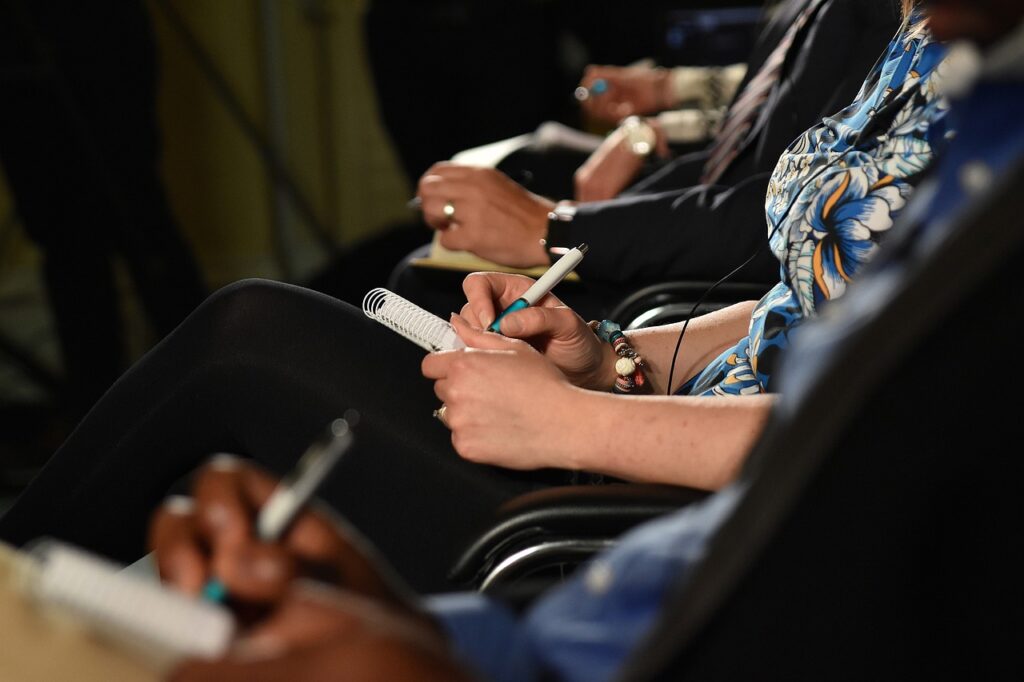
Follow up
- Discipline yourself to type up the minutes as soon as possible after the meeting. If you leave this it is very likely that you may forget some salient points that needed to be added in.
- Distribute the minutes within 24 hours. That way, those who attended can be reminded of action items, and those who did not attend will promptly know what happened.
- Always proofread before circulating.
- File minutes in a place where you can easily find them for reference and for chasing actions before the next meeting.
If you follow these simple guidelines, your meetings should go without a hitch!
Related Posts

Your Sneak Peek Into 2026’s Event Landscape
If there’s one thing the past few years have proved, it’s that the events industry doesn’t stand still. Between rapid tech advances, shifting audience expectations, and tighter budgets, 2026 is…

Step-by-Step Guide to Planning a Corporate Retreat
Corporate retreats aren’t just about getting away from the office—they’re about creating space for team building, reflection, and future planning. When done well, a retreat can boost morale, strengthen collaboration,…

How to Make Minimalist Events Look Intentional—Not Cheap
Minimalist events are having a moment—and for nonprofit organisations, they’re a gift. When every pound matters, a clean, simple aesthetic lets you host events that feel modern, polished, and mission-aligned……

Say Hello to 2026: The New Era of Events
If the past few years have taught the events world anything, it’s this: change isn’t coming—it’s already here. But 2026 is set to take things even further. As attendee expectations…
