
Step-by-Step Guide to Planning a Corporate Retreat
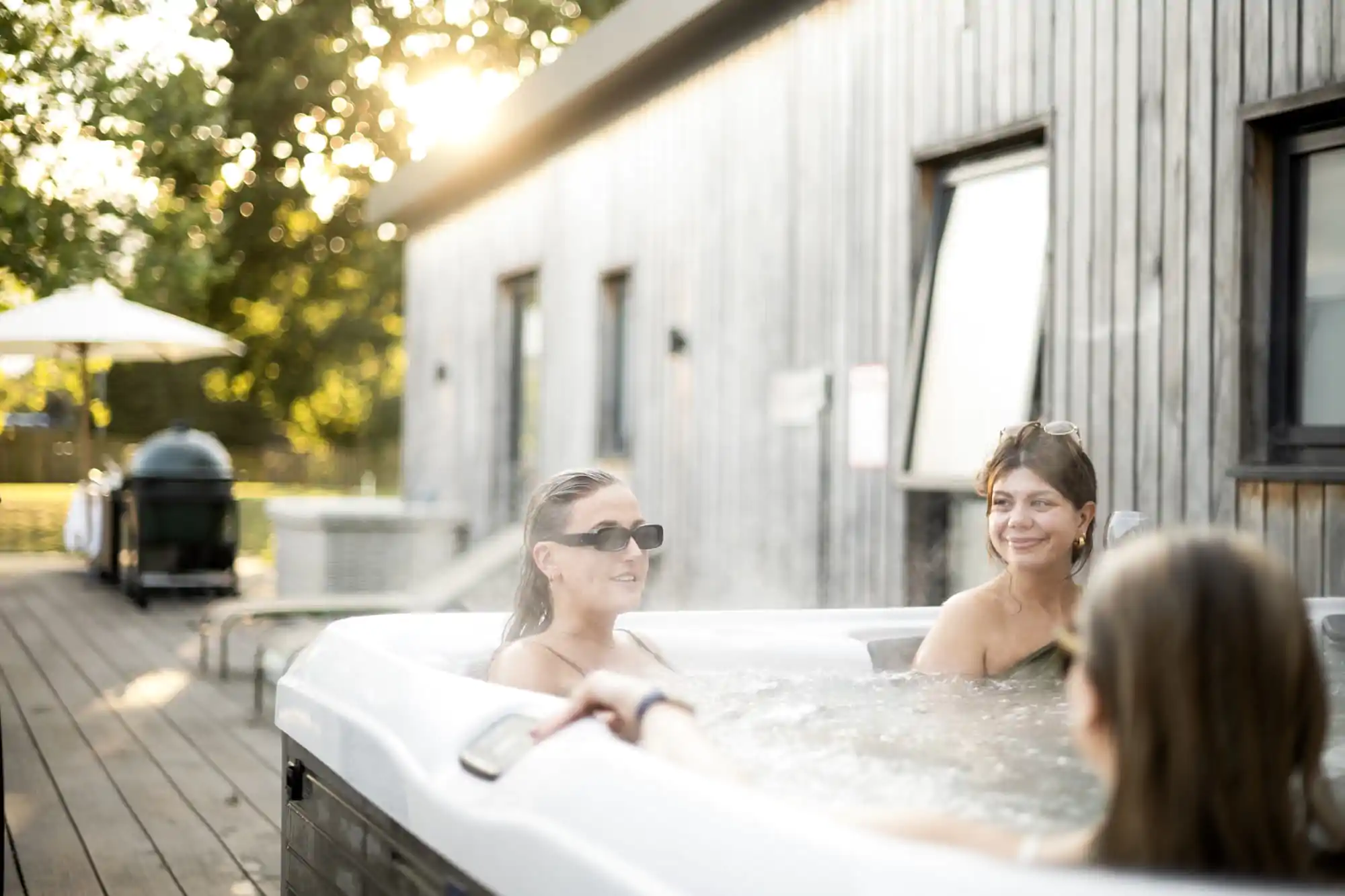
Corporate retreats aren’t just about getting away from the office—they’re about creating space for team building, reflection, and future planning. When done well, a retreat can boost morale, strengthen collaboration, and align employees with company goals. But without proper planning, it can feel like just another meeting in a different location.
Here’s a step-by-step guide to planning a corporate retreat that’s productive, engaging, and memorable.
1️⃣ Define the Purpose & Goals
Before choosing a venue or activity, start with the “why.” Ask:
-
What do we want to achieve?
-
Strategic planning?
-
Team bonding?
-
Celebrating milestones?
-
-
Who should attend?
-
Leadership only, or the entire company?
-
Clear goals guide every decision—from agenda design to budget allocation.
2️⃣ Set a Realistic Budget
Corporate retreats can range from one-day local events to week-long international getaways. Define your budget early to avoid overcommitting. Key categories include:
-
Venue & lodging
-
Transport
-
Meals & catering
-
Activities & entertainment
-
Facilitation or guest speakers
-
Supplies & materials
Pro Tip: Build in a 10% contingency fund for unexpected costs.
3️⃣ Choose the Right Location
The destination sets the tone. Consider:
-
Accessibility – Is it convenient for most attendees?
-
Ambience – Does it inspire focus and relaxation?
-
Facilities – Are there meeting rooms, breakout spaces, and leisure options?
-
Budget fit – Local resorts, boutique hotels, or even unique spaces like cabins or co-working retreats can work.
The goal is to create an environment that feels different enough from the office to spark creativity, without being logistically overwhelming.
4️⃣ Design a Balanced Agenda
Avoid filling the schedule with back-to-back sessions. A great retreat balances work, play, and downtime.
A sample agenda might include:
-
Morning: Strategic workshops or keynote
-
Afternoon: Outdoor activity (hike, ropes course, cooking class)
-
Evening: Group dinner and informal networking
Tip: Leave unstructured time for organic conversations—that’s often where the best ideas emerge.
5️⃣ Plan Engaging Team-Building Activities
Choose activities that reinforce your retreat’s purpose. Options include:
-
Problem-Solving Challenges – Escape rooms, innovation hackathons
-
Outdoor Adventures – Kayaking, hiking, ropes courses
-
Creative Sessions – Cooking classes, improv workshops, art challenges
-
Wellness Activities – Yoga, meditation, mindfulness breaks
These experiences help employees build trust, collaboration, and camaraderie outside the office setting.
6️⃣ Take Care of Logistics Early
Smooth execution is key to a stress-free retreat. Don’t forget to plan for:
-
Transport (flights, buses, shuttles)
-
Dietary restrictions and meal preferences
-
Equipment needs (A/V, whiteboards, projectors)
-
Room assignments and check-in coordination
-
Weather contingencies for outdoor activities
A retreat coordinator (internal or external) can ensure details don’t slip through the cracks.
7️⃣ Communicate with Attendees
Build excitement and set expectations by sharing details ahead of time:
-
Agenda overview
-
Packing list
-
Travel instructions
-
Goals and outcomes for the retreat
This helps employees feel prepared and motivated.
8️⃣ Gather Feedback & Follow Up
The retreat isn’t over when everyone heads home. Send out a post-retreat survey to measure:
-
Most valuable sessions or activities
-
Areas for improvement
-
Overall experience and takeaways
Share highlights and photos with the team, and follow up on action items from workshops to show the retreat led to real impact.
A successful corporate retreat isn’t about extravagant destinations or fancy activities—it’s about purposeful design. When you define clear goals, balance productivity with relaxation, and handle logistics with care, your retreat becomes more than a getaway. It becomes a turning point for your team.
Related Posts

Your Event Has Outgrown the Office. What Happens Next?
You have to borrow chairs from another floor. The meeting room is too warm, the people at the back can’t see the screen and lunch is being laid out beside…
The Death of the Boring Conference: What Delegates Expect in 2027
There was a time when organising a corporate conference meant finding a hotel with a large enough meeting room, putting rows of chairs in front of a stage and making…

Doing Circus Differently: The Story Behind Fête du Puck
Say the word “circus” to most people and they picture one of two things. Red and yellow stripes, sawdust and a ringmaster in a top hat. Or a giant arena…

Conference Venue Hire Costs UK: 2026 Pricing Guide
One of the first questions when planning a conference is inevitably: how much is the venue going to cost? In 2026, a typical UK conference venue can cost anywhere from…