
How to Assess the Success of a Conference or Event

Assessing the success of conferences and events is crucial for identifying strengths, weaknesses, and areas of improvement for future planning. Here’s a step-by-step guide to help you analyse attendee feedback, venue logistics, and the overall event experience:
Design a Comprehensive Survey:
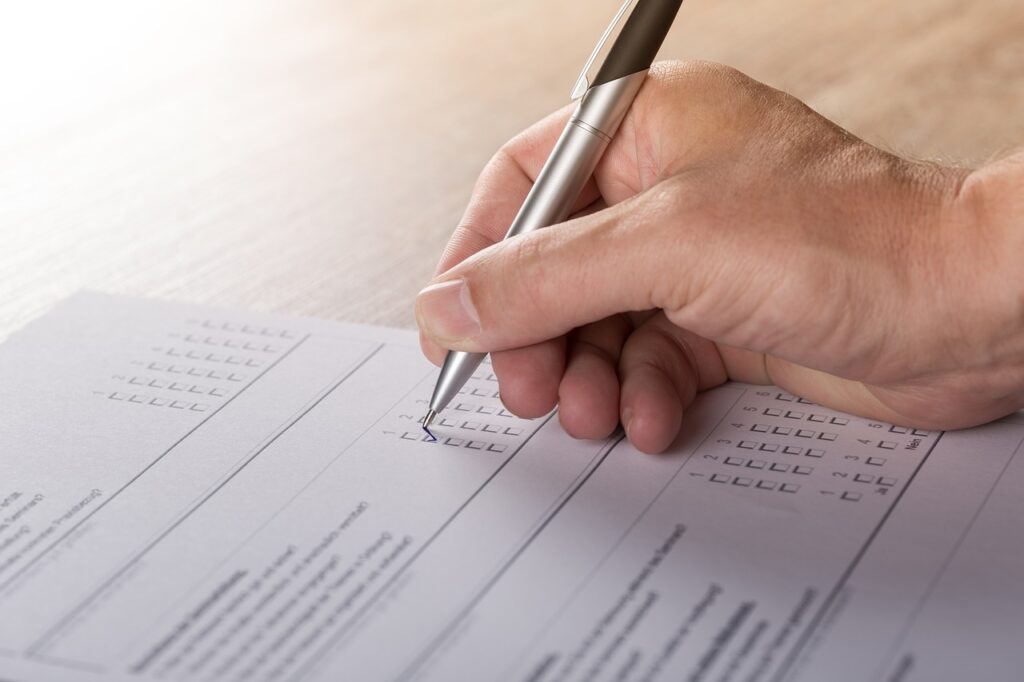
Create a post-event survey to gather feedback from attendees. Ask both qualitative and quantitative questions to get detailed insights into their experiences. Include questions about the event content, speakers, logistics, venue, networking opportunities, and overall satisfaction.
Timing of the Survey:
Send out the survey shortly after the event while the experience is still fresh in attendees’ minds. This will increase the response rate and accuracy of the feedback.
Use Different Feedback Channels:
Besides the survey, be open to feedback through other channels like email, social media, or a feedback booth at the event. Some attendees may prefer providing feedback in different ways.

Analyse Attendee Feedback:
Thoroughly review the survey responses and feedback. Identify common themes, positive comments, and areas of improvement. Categorize the feedback into relevant sections, such as content, logistics, venue, and overall experience.
Measure Attendee Satisfaction:
Calculate the overall attendee satisfaction rate based on the survey responses. This can be done by aggregating the scores or using a Net Promoter Score (NPS) approach.
Evaluate Speaker and Content Relevance:
Analyse feedback related to the event’s content and speakers. Identify which sessions or topics received the most positive feedback and which ones need improvement or were not well-received.
Assess Venue Logistics:
Review feedback about venue logistics, such as registration process, signage, seating arrangements, accessibility, and audio-visual setup. Address any logistical issues that impacted the attendee experience.
Examine Networking Opportunities:
Evaluate the effectiveness of networking opportunities provided during the event. Look for feedback on networking sessions, breaks, or social events and identify ways to enhance networking experiences.
Consider Event Flow and Schedule:
Analyse feedback on the event’s schedule and flow. Check if attendees found the timing and duration of sessions appropriate, and if there was enough time for breaks and networking.
Feedback on Event Staff and Volunteers:
Review feedback regarding the behaviour and helpfulness of event staff and volunteers. Ensure that attendees’ interactions with event personnel were positive and professional.

Identify Success Metrics:
Define specific success metrics for the event, such as the number of leads generated, new partnerships formed, or attendee engagement levels. Compare these metrics against your goals to assess the event’s success.
Review Budget and Expenses:
Analyse the event’s budget and compare it with the outcomes and benefits achieved. Determine whether the event was cost-effective and if adjustments are needed in future planning.
Compile a Comprehensive Report:
Summarise the findings from the feedback analysis, success metrics, and budget review in a comprehensive report. Include recommendations for improvement based on the insights gained.
Action Plan for Future Events:
Develop an action plan based on the assessment, outlining specific steps to improve future event planning and execution. Incorporate the feedback and recommendations into the planning process.
Engage with Stakeholders:
Share the assessment findings and action plan with key stakeholders, such as event organisers, sponsors, and partners. Encourage their involvement and support for implementing improvements.
By consistently analysing attendee feedback, venue logistics, and the overall event experience, you can make data-driven decisions to enhance future events and ensure the success of your conferences and gatherings.
Related Posts
Conference Venues Near Birmingham New Street for 200 Delegates
Looking for a conference venue near Birmingham New Street Station for around 200 delegates? Birmingham city centre has several excellent options within easy walking distance of New Street, ranging from…

It’s Not Too Late to Book Your Christmas Party
September is well and truly here, the summer holidays are over and someone in the office has just asked the question nobody particularly wanted to hear: “What are we doing…

Best New Event Venues for 2027
Every year brings exciting new options for event organisers, and 2027 is shaping up to be no exception. From purpose-built conference centres to innovative meeting spaces and major regeneration projects,…

Three Iconic Historic Christmas Event Venues in London
For a Christmas celebration with a real sense of history, London offers some truly remarkable settings. IWM London, HMS Belfast and Churchill War Rooms each provide a memorable backdrop for…