
What Makes a Successful Kick-Off Meeting?

A successful kick-off meeting is crucial for setting the tone and expectations for a project or initiative. It serves as the foundation for a productive and collaborative working relationship among team members and stakeholders.

Here are some key elements that make a good kick-off meeting:
Clear Objectives and Agenda:
Start with a clear statement of the meeting’s purpose and objectives. Share the agenda in advance, so participants can come prepared.
Key Stakeholders:
Ensure that all relevant stakeholders, including team members, clients, sponsors, and decision-makers, are present or represented.
Introduction and Icebreakers:
Begin with introductions, especially if team members are not familiar with each other. Icebreakers can help create a relaxed and open atmosphere.
Project Overview:
Provide a high-level overview of the project, including its scope, goals, and objectives. Highlight the problem you’re solving or the opportunity you’re pursuing.
Roles and Responsibilities:
Clarify the roles and responsibilities of team members and stakeholders. This helps prevent misunderstandings later in the project.
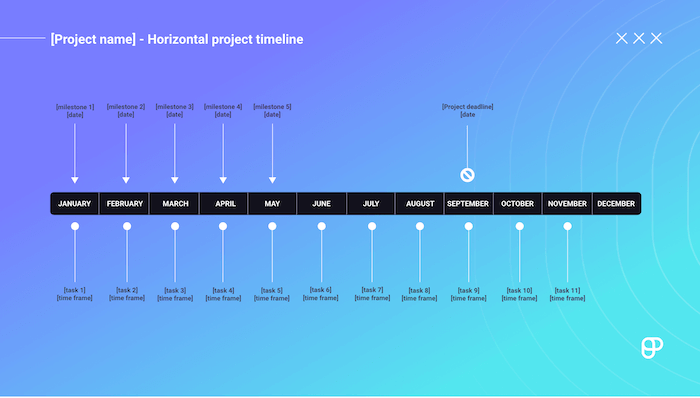
Project Timeline:
Present a rough timeline or project schedule, including key milestones and deadlines. This helps everyone understand the project’s timeline and critical points.
Scope and Deliverables:
Define the project’s scope and deliverables in detail. Discuss what’s in scope and what’s out of scope to manage expectations.
Budget and Resources:
Discuss budget constraints and the availability of resources, such as personnel, equipment, and software.
Risk Assessment:
Identify potential risks and issues that could impact the project. Encourage participants to share their concerns and suggest mitigation strategies.
Communication Plan:
Establish a communication plan outlining how and when team members will communicate with each other and stakeholders. This should include regular status updates and reporting mechanisms.
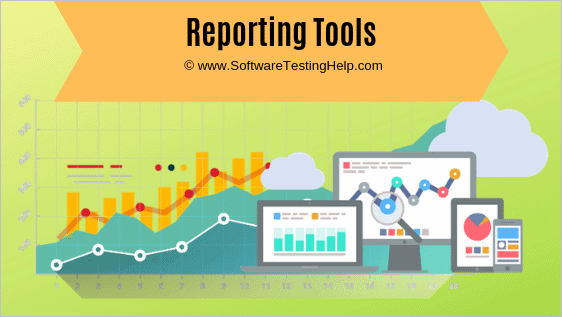
Tools and Technology:
Discuss the tools and technology that will be used for project management, collaboration, and reporting.
Quality Standards:
Outline the quality standards and expectations for the project’s outcomes. This includes any relevant industry standards or best practices.
Success Criteria:
Define the criteria for measuring the project’s success. What will determine if the project is a success or not?
Q&A and Discussion:
Allow time for questions and open discussion. Encourage participants to ask clarifying questions and share their thoughts.
Next Steps:
Summarise the key takeaways from the meeting and outline the next steps and action items. Assign responsibilities for follow-up tasks.
Documentation:
Document meeting minutes and distribute them to participants after the meeting. This ensures that everyone has a record of what was discussed and agreed upon.
Feedback:
Encourage feedback on the kick-off meeting itself. Ask participants what went well and what could be improved for future meetings.
Follow-up:
After the kick-off meeting, follow up with participants to ensure they are on track with their assigned tasks and responsibilities.
Remember that a good kick-off meeting should be engaging and informative, setting a positive tone for the project. It’s also an opportunity to build team cohesion and alignment among stakeholders, which can contribute to the project’s overall success.
Related Posts
The Venue Looked Perfect Online, So Why Didn’t It Work on the Day?
We’ve all done it. Spotted a venue online, looked through the photographs and thought, “That’s exactly what we’re looking for.” The rooms are beautifully styled, the location is convenient, the capacity…

BAM Victoria: The Office Christmas Party Gets a Microphone
Every office has someone who knows all the words to ABBA. BAM Victoria gives them somewhere to prove it. For a Christmas party with more personality than any other, this…

Your Event Has Outgrown the Office. What Happens Next?
You have to borrow chairs from another floor. The meeting room is too warm, the people at the back can’t see the screen and lunch is being laid out beside…
The Death of the Boring Conference: What Delegates Expect in 2027
There was a time when organising a corporate conference meant finding a hotel with a large enough meeting room, putting rows of chairs in front of a stage and making…