
Event Planning Basics
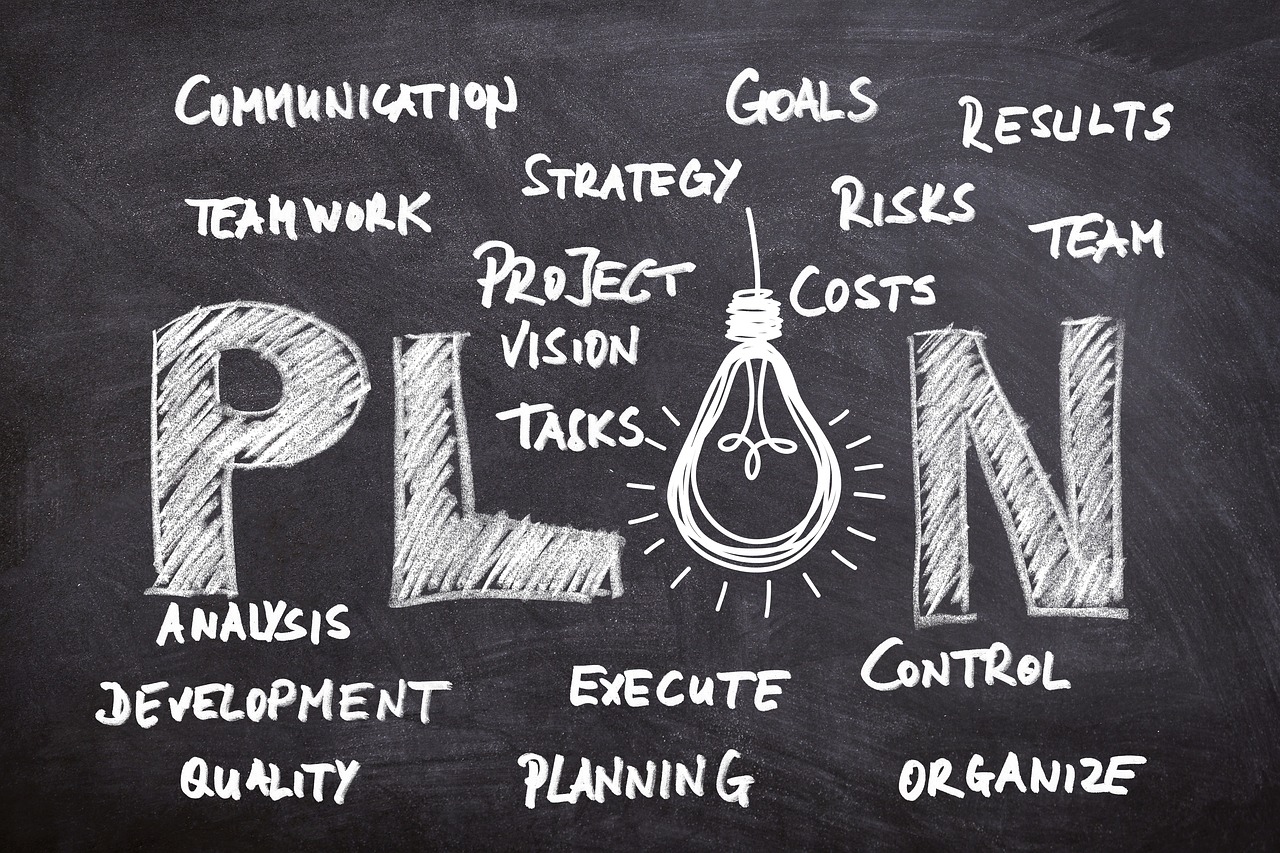
Planning a corporate event involves a blend of creativity, organisation, and strategic thinking. Whether you’re organising a gala, a team retreat, or an annual meeting, understanding the fundamentals is key to delivering a seamless and memorable experience. This guide covers essential aspects of event planning, including trending themes, step-by-step planning, venue selection, and budget management tips.
1. Trending Corporate Event Themes
Choosing a compelling theme is the foundation of any successful corporate event. It sets the tone, engages attendees, and ensures the event aligns with your goals. Here are some trending themes for different types of events:
- Annual Meetings:
- “The Future is Now” – Focus on innovation and progress with tech-inspired decor and interactive elements.
- “Vision 360” – Showcase company milestones with a 360-degree photo or video experience.
- Galas and Fundraisers:
- “Glamour in the City” – Black-tie events with sophisticated urban-inspired decor.
- “Masquerade Night” – Add an air of mystery with elegant masks and themed entertainment.
- Team Retreats:
- “Adventure Awaits” – Outdoor activities like hiking or zip-lining paired with motivational workshops.
- “Mindful Growth” – Wellness-focused retreats with yoga, meditation, and personal development sessions.
Selecting a theme that resonates with your audience and aligns with your brand can make the event truly memorable.
2. Corporate Event Planning Checklist
A well-organised plan ensures no detail is overlooked. Follow this step-by-step guide to streamline your event planning process:
- Define Objectives: Identify the purpose of the event, target audience, and key goals.
- Set a Budget: Allocate funds for venue, catering, entertainment, and other essentials.
- Choose a Theme: Select a theme that complements your objectives and engages attendees.
- Select a Venue: Book a space that fits your needs, size, and budget.
- Plan the Agenda: Create a detailed schedule, including keynote speeches, breakout sessions, and networking opportunities.
- Secure Vendors: Confirm contracts with caterers, decorators, and AV equipment providers.
- Promote the Event: Use email marketing, social media, and invitations to generate buzz.
- Prepare Materials: Arrange signage, name tags, and presentation materials in advance.
- Coordinate Day-of Logistics: Assign roles for event staff to ensure smooth execution.
- Collect Feedback: Distribute surveys to evaluate attendee satisfaction and identify areas for improvement
3. How to Choose the Right Venue
The venue is the cornerstone of any corporate event. To make the best choice, consider the following factors:
- Capacity: Ensure the venue can comfortably accommodate your expected number of attendees.
- Location: Choose a location that’s easily accessible by public transport or has ample parking.
- Amenities: Look for venues with essential facilities like Wi-Fi, audiovisual equipment, and breakout rooms.
- Flexibility: Confirm policies regarding vendor restrictions, setup times, and cancellation terms.
- Ambiance: Select a venue that aligns with your event theme and branding.
Visiting potential venues in person can help you assess their suitability and avoid surprises on the event day.
4. Event Budget Management Tips
Managing a budget effectively ensures you deliver a high-quality event without overspending. Here are some tips to keep your finances in check:
- Prioritise Needs: Allocate funds to high-priority areas like venue, catering, and key speakers before extras like decor and giveaways.
- Get Quotes: Obtain multiple quotes from vendors to compare costs and services.
- Negotiate Deals: Leverage your budget to negotiate discounts or value-added services with suppliers.
- Track Expenses: Use a budgeting tool or spreadsheet to monitor expenditures and identify potential overruns.
- Plan for Contingencies: Reserve 10-15% of your budget for unexpected costs, such as last-minute changes or additional equipment.
Effective budgeting helps you deliver a successful event while staying within financial limits.
Planning a corporate event may seem daunting, but mastering the basics can turn the process into an exciting and rewarding experience. By selecting a trending theme, following a structured planning checklist, choosing the perfect venue, and managing your budget wisely, you can create an event that not only achieves your objectives but also leaves a lasting impression on attendees. With thoughtful preparation, your next corporate event can set the standard for excellence and innovation.
Related Posts

The Venue Looked Perfect Online, So Why Didn’t It Work on the Day?
We’ve all done it. Spotted a venue online, looked through the photographs and thought, “That’s exactly what we’re looking for.” The rooms are beautifully styled, the location is convenient, the capacity…

BAM Victoria: The Office Christmas Party Gets a Microphone
Every office has someone who knows all the words to ABBA. BAM Victoria gives them somewhere to prove it. For a Christmas party with more personality than any other, this…

Your Event Has Outgrown the Office. What Happens Next?
You have to borrow chairs from another floor. The meeting room is too warm, the people at the back can’t see the screen and lunch is being laid out beside…

The Death of the Boring Conference: What Delegates Expect in 2027
There was a time when organising a corporate conference meant finding a hotel with a large enough meeting room, putting rows of chairs in front of a stage and making…