
Organising a Conference in London: A Step-by-Step Guide
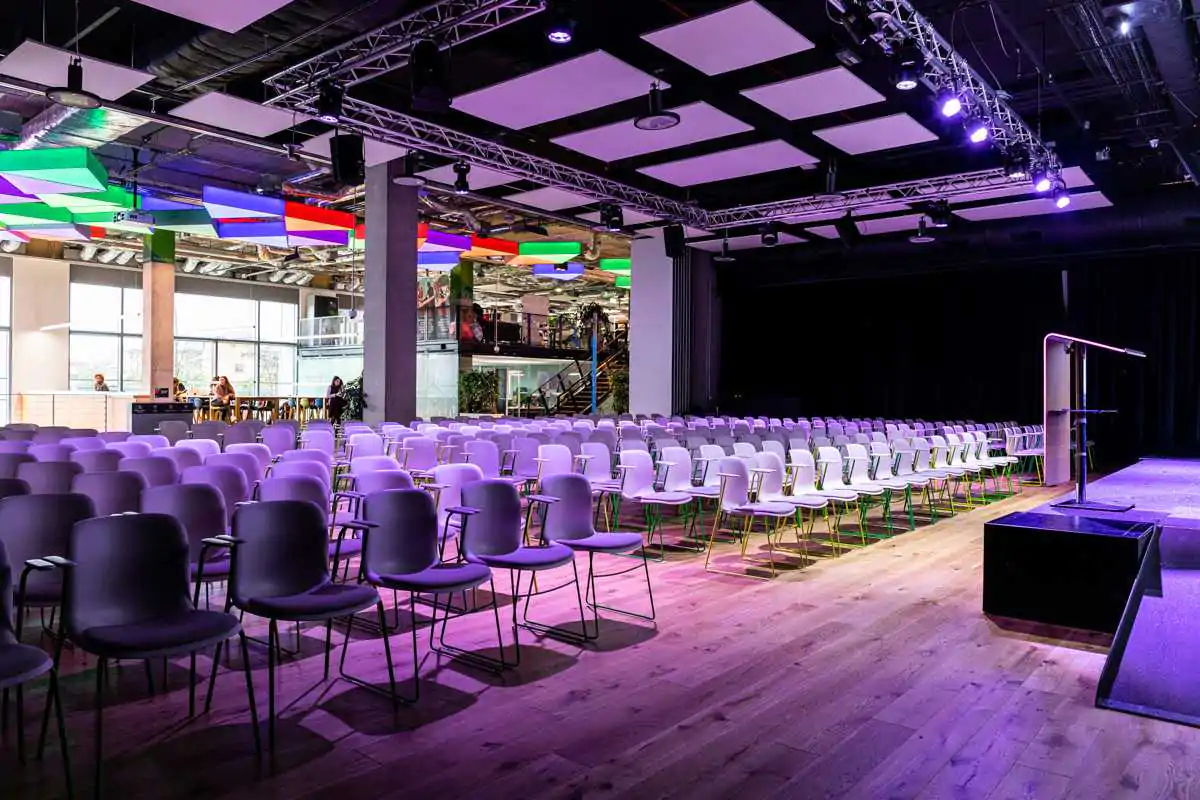
Organising a conference in London is an exciting opportunity — but it’s also a project that demands precision, organisation, and foresight. From world-class venues to a global audience, London offers the ideal backdrop for impactful events. However, pulling off a successful conference requires careful planning, right down to the smallest details.
Whether you’re planning a corporate summit, industry expo, or academic conference, this step-by-step planning checklist will help you stay on track and deliver a seamless experience from start to finish.
📅 12 – 18 Months Before the Event: Laying the Foundations
The early stages are about strategy, securing the right venue, and setting the tone for success.
Key Actions:
✅ Define conference objectives and success metrics
✅ Set your budget (with a contingency buffer)
✅ Identify potential dates
✅ Research and shortlist venues
✅ Secure your venue contract
✅ Draft a preliminary agenda outline
✅ Identify and invite keynote speakers
✅ Explore sponsorship opportunities
✅ Research accommodation options for delegates
✅ Assemble your core planning team
🗓 9 – 12 Months Before the Event: Building Momentum
With your venue secured and objectives set, now is the time to bring the conference to life through detailed planning and early promotion.
Key Actions:
✅ Finalise event dates and venue details
✅ Confirm headline speakers
✅ Book key suppliers (AV, production, catering)
✅ Launch your event website or registration page
✅ Develop your marketing and communications plan
✅ Set ticket pricing and early bird offers
✅ Design branding assets (logo, banners, visuals)
✅ Begin promoting through digital channels and partners
🚀 6 – 9 Months Before the Event: Preparing the Experience
Now’s the time to shape the attendee journey and lock in logistics.
Key Actions:
✅ Finalise the agenda with timings and breakout sessions
✅ Confirm sponsors and exhibitors
✅ Open public registration
✅ Begin logistics planning (signage, layouts, transport)
✅ Plan catering options (dietary needs, menus)
✅ Source delegate materials (lanyards, badges, programmes)
✅ Book photography and videography if needed
✅ Confirm accommodation blocks
🔧 3 – 6 Months Before the Event: Refining the Details
The focus shifts to refining operations, communications, and ensuring your team is ready.
Key Actions:
✅ Schedule speaker rehearsals
✅ Confirm AV and tech requirements (especially for hybrid events)
✅ Review insurance and risk assessments
✅ Finalise entertainment and networking activities
✅ Confirm staffing and volunteer numbers
✅ Draft delegate communications (joining instructions, FAQs)
✅ Monitor ticket sales and adapt marketing as needed
📢 1 – 3 Months Before the Event: Getting Ready
This is where preparation meets execution. It’s all about communication and fine-tuning.
Key Actions:
✅ Confirm venue permits, licenses, and final access
✅ Final briefings for suppliers and partners
✅ Finalise attendee list and print badges
✅ Confirm speaker logistics and VIP arrangements
✅ Place final catering orders
✅ Share logistics and plans with all stakeholders
✅ Conduct final AV and tech tests
✅ Prepare contingency plans for common challenges
🔔 1 – 4 Weeks Before the Event: Final Checks
With the big day approaching, it’s time for final confirmations and rehearsals.
Key Actions:
✅ Send joining instructions to attendees
✅ Confirm numbers with venue and caterers
✅ Issue detailed schedules to staff and volunteers
✅ Prepare welcome packs or materials
✅ Rehearse opening sessions and tech runs
✅ Set up check-in systems
✅ Confirm signage, branding, and floorplans
✅ Test any payment systems for on-site use
🎉 Event Week: Delivering the Experience
Execution is everything. Stay calm, stay organised, and delegate effectively.
Key Actions:
✅ Set up venue: AV, registration, catering, signage
✅ Conduct final run-through with staff and suppliers
✅ Ensure emergency contacts and protocols are ready
✅ Brief speakers, VIPs, and exhibitors
✅ Monitor attendee flow and networking areas
✅ Capture photos, videos, and testimonials
✅ Share live updates on social media (if appropriate)
🔄 Post-Event: Wrapping Up and Reviewing Success
Your follow-up is as important as the event itself — this is where future improvements and opportunities are found.
Key Actions:
✅ Send thank-you notes to attendees, speakers, sponsors, and staff
✅ Share event highlights (photos, videos, testimonials)
✅ Collect feedback through surveys
✅ Debrief with your team and suppliers
✅ Review performance against objectives and budget
✅ Document lessons learned for future planning
Planning a successful conference in London is about structure, foresight, and flexibility. With this checklist as your guide, you’ll stay on top of every detail — from choosing the perfect venue to delivering a memorable experience for your delegates.
Related Posts
The Venue Looked Perfect Online, So Why Didn’t It Work on the Day?
We’ve all done it. Spotted a venue online, looked through the photographs and thought, “That’s exactly what we’re looking for.” The rooms are beautifully styled, the location is convenient, the capacity…

BAM Victoria: The Office Christmas Party Gets a Microphone
Every office has someone who knows all the words to ABBA. BAM Victoria gives them somewhere to prove it. For a Christmas party with more personality than any other, this…

Your Event Has Outgrown the Office. What Happens Next?
You have to borrow chairs from another floor. The meeting room is too warm, the people at the back can’t see the screen and lunch is being laid out beside…
The Death of the Boring Conference: What Delegates Expect in 2027
There was a time when organising a corporate conference meant finding a hotel with a large enough meeting room, putting rows of chairs in front of a stage and making…