
Sustainability Trends in Events: What’s Shaping the Future in 2026
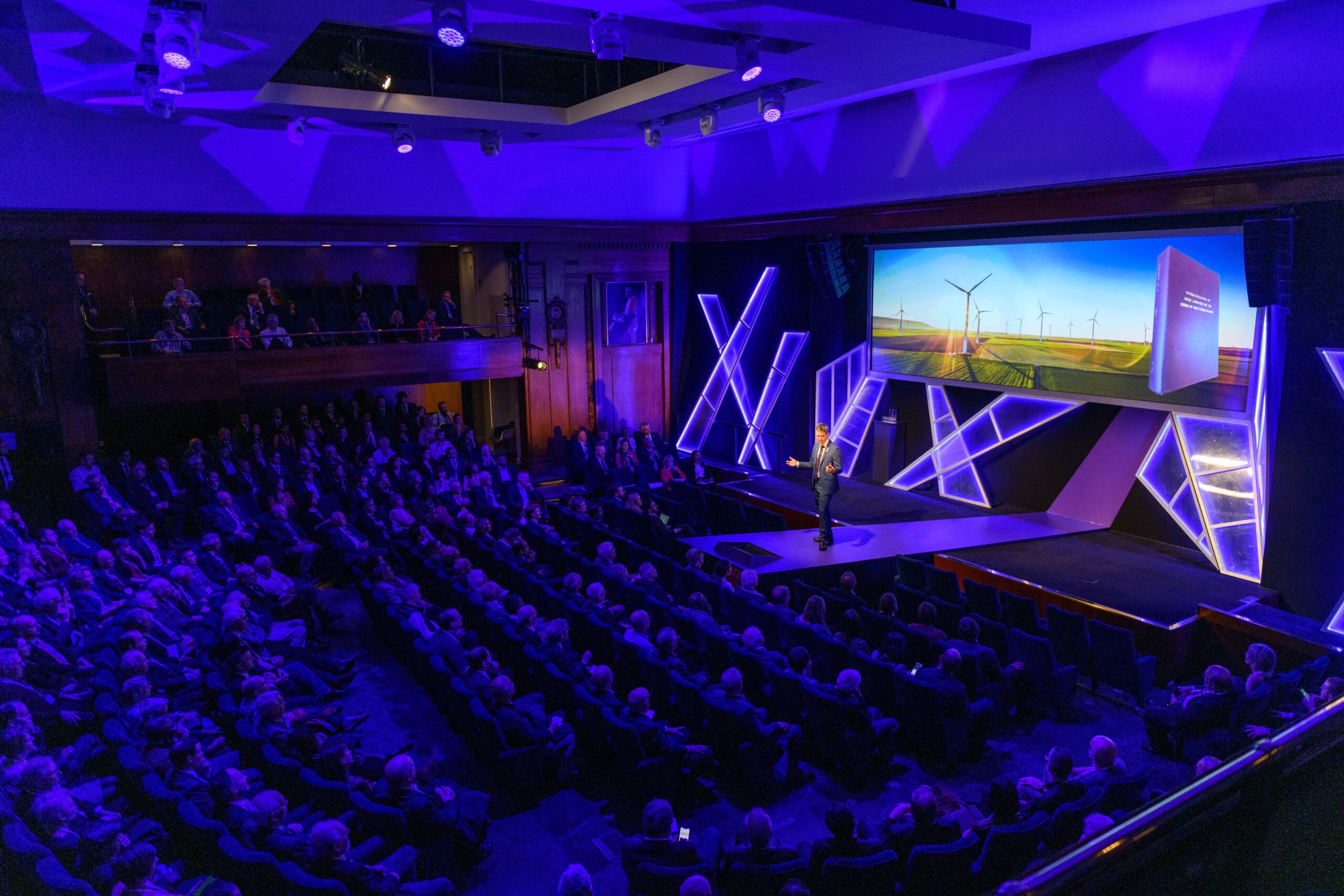
Sustainability is no longer a buzzword in the events industry—it’s a core expectation.
From corporate conferences to private functions, clients and attendees alike are demanding events that not only deliver memorable experiences, but also minimise environmental impact and demonstrate real responsibility.
In 2026, sustainable event planning has evolved beyond simple recycling initiatives. It’s now about holistic, measurable change—and it’s transforming how events are designed, delivered, and evaluated.
1. Measurable Sustainability Is the New Standard
It’s no longer enough to say an event is “eco-friendly.” Clients now expect data-backed results.
Event planners are increasingly:
- Tracking carbon footprints
- Measuring waste reduction
- Reporting on energy usage
- Providing post-event sustainability reports
Why it matters:
Businesses want proof that their events align with ESG (Environmental, Social, Governance) goals—not just good intentions.
2. Low-Waste & Zero-Waste Events Are Rising
The push toward zero-waste events continues to gain momentum.
Key changes include:
- Eliminating single-use plastics
- Switching to reusable or compostable materials
- Digital ticketing and programmes
- Donation or repurposing of leftover materials
Even small changes—like removing printed agendas—can significantly reduce an event’s environmental footprint.
3. Sustainable Venues Are in High Demand
Venue selection is now one of the biggest sustainability decisions.
Clients are prioritising venues that offer:
- Renewable energy sources
- Strong recycling and waste policies
- Sustainable certifications (e.g., BREEAM, LEED)
- Efficient water and energy management systems
The shift:
Sustainability credentials are becoming just as important as location and aesthetics.
4. Local Sourcing Is Taking Centre Stage
Transport and logistics are major contributors to event emissions.
To reduce impact, planners are:
- Using local suppliers and vendors
- Choosing seasonal, locally sourced catering
- Reducing long-distance shipping of materials
The result:
Lower emissions, support for local businesses, and often a more authentic event experience.
5. Sustainable Catering Is Evolving
Food choices are under increasing scrutiny.
Trends include:
- Plant-forward menus
- Reduced food waste through smarter planning
- Portion control and donation programmes
- Ethical sourcing of ingredients
Sustainable catering isn’t just about the environment—it’s also about health, ethics, and storytelling.
6. Hybrid Events Reduce Travel Impact
Hybrid and virtual components are playing a key role in sustainability strategies.
Benefits include:
- Fewer attendees needing to travel
- Reduced accommodation and transport emissions
- Increased accessibility without environmental cost
While in-person events remain essential, hybrid formats offer a more sustainable alternative when used strategically.
7. Eco-Conscious Attendees Are Driving Change
Attendee expectations are shaping the industry.
Modern audiences increasingly:
- Prefer sustainable brands and experiences
- Notice wasteful practices
- Expect transparency around environmental impact
This means sustainability is no longer just a behind-the-scenes consideration—it’s part of the attendee experience and brand perception.
8. Circular Event Design Is Gaining Momentum
A growing trend in 2026 is circular thinking—designing events where materials are reused, repurposed, or recycled continuously.
Examples include:
- Modular event builds reused across multiple events
- Renting instead of buying décor and furniture
- Repurposing signage and materials
The goal:
Reduce waste by designing it out from the very beginning.
9. Carbon Offsetting Is Becoming More Common
Many organisations are offsetting unavoidable emissions through:
- Tree planting initiatives
- Renewable energy projects
- Carbon offset programmes
While not a complete solution, offsetting is increasingly used alongside reduction strategies to create more responsible events.
10. Sustainability Is Now a Competitive Advantage
What was once optional is now a key differentiator.
Event planners who prioritise sustainability are:
- More attractive to corporate clients
- Better aligned with modern brand values
- Future-proofing their services
In many cases, sustainability is becoming a deciding factor when choosing an event partner.
What This Means for Your Next Event
Sustainable event planning in 2026 is:
✔ Measurable, not just meaningful
✔ Built into every stage of planning
✔ Driven by both client goals and attendee expectations
✔ A balance between environmental responsibility and exceptional experience
Final Thought
Sustainability isn’t about sacrificing quality—it’s about rethinking how events are delivered.
At Function Fixers, we believe great events should leave a lasting impression on people—not the planet.
The question for every event in 2026 is no longer “Can we make this sustainable?”
It’s “How far can we take it?”
Planning an event with sustainability in mind? Let’s create something impactful—for your audience and the environment.
Related Posts
BAM Victoria: The Office Christmas Party Gets a Microphone
Every office has someone who knows all the words to ABBA. BAM Victoria gives them somewhere to prove it. For a Christmas party with more personality than any other, this…

Your Event Has Outgrown the Office. What Happens Next?
You have to borrow chairs from another floor. The meeting room is too warm, the people at the back can’t see the screen and lunch is being laid out beside…
The Death of the Boring Conference: What Delegates Expect in 2027
There was a time when organising a corporate conference meant finding a hotel with a large enough meeting room, putting rows of chairs in front of a stage and making…
Doing Circus Differently: The Story Behind Fête du Puck
Say the word “circus” to most people and they picture one of two things. Red and yellow stripes, sawdust and a ringmaster in a top hat. Or a giant arena…