
The Rise of Experiential Dining: Why Dinner Is No Longer Just About the Food
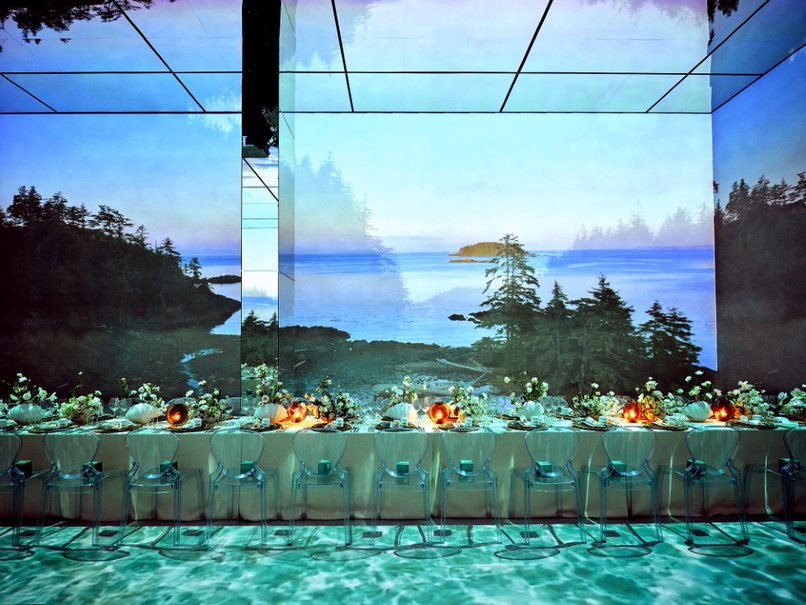
There was a time when choosing a restaurant was almost entirely about the menu. Today, while exceptional food remains important, diners are increasingly looking for something more memorable. They want an experience.
From immersive theatre and chef’s tables to interactive tasting menus, museum dinners and spectacular rooftop settings, experiential dining has become one of the biggest trends in hospitality. Whether it’s a corporate client entertaining guests, colleagues celebrating a successful year or friends marking a special occasion, people are searching for evenings that create stories as well as satisfy appetites.
More Than a Meal
Experiential dining is exactly what it sounds like: a meal combined with something that engages guests beyond the plate.
That might include:
- Live entertainment
- Immersive storytelling
- Historic surroundings
- Open kitchens and chef interactions
- Wine or cocktail masterclasses
- Art, music or cultural experiences
- Stunning architecture or panoramic views
- Hands-on activities before or after dinner
The food remains central, but it becomes part of a much bigger occasion.
Why Experiences Matter More Than Ever
Much of modern life takes place through screens. Meetings are virtual, conversations happen over messaging apps and shopping has moved online. Dining remains one of the few experiences that can’t be replicated digitally.
People increasingly value opportunities to spend uninterrupted time together, whether that’s with colleagues, clients, friends or family. A memorable setting creates natural conversation, shared moments and photographs that are remembered long after dessert has been served.
Research consistently shows that consumers are placing greater value on experiences over material possessions, particularly younger generations who often prioritise memorable occasions above buying more “things.”
Corporate Entertaining Has Changed
This shift is particularly noticeable in the corporate world.
Traditional business dinners still have their place, but companies are looking for venues that offer something beyond a private dining room and a three-course meal.
Many organisations now want experiences that encourage conversation naturally rather than relying on formal speeches or structured networking.
Examples include:
- Private museum access followed by dinner
- Historic venues with guided tours
- Rooftop terraces overlooking the city
- Wine tasting experiences
- Interactive cooking demonstrations
- Behind-the-scenes access to iconic buildings
- Sporting venues with exclusive hospitality
These settings provide guests with something to talk about before, during and after the meal, helping conversations flow much more naturally.
The Venue Becomes Part of the Story
One of the biggest changes in recent years is that the venue itself has become an attraction.
A beautifully restored warehouse, an elegant Georgian townhouse, a botanical glasshouse or a famous landmark all contribute to the overall experience.
The setting creates anticipation before guests arrive and often becomes one of the strongest memories of the evening.
It’s no coincidence that some of the most sought-after dining venues combine excellent hospitality with fascinating architecture, history or breathtaking views.
Why Authenticity Wins
Interestingly, experiential dining isn’t necessarily about extravagance. Guests are becoming increasingly selective and can quickly recognise experiences that feel manufactured. The most successful venues tend to offer something authentic.
That might be dining beneath the wings of historic aircraft, enjoying dinner surrounded by priceless works of art, eating in a centuries-old livery hall or watching chefs prepare every course in an open kitchen.
The experience grows naturally from the venue’s character rather than being artificially created.
The Rise of Smaller, More Personal Gatherings
Another noticeable trend is the move towards smaller, carefully organised events. Rather than planning large formal dinners, many companies now prefer intimate private dining experiences for clients, leadership teams or project groups.
Smaller guest numbers allow for more conversation, better service and greater attention to detail. The result often feels more personal and memorable than a traditional banquet.
Creating Moments Worth Sharing
Social media has undoubtedly influenced the popularity of experiential dining, but perhaps not in the way many assume. People don’t simply want somewhere that looks good in photographs. They want somewhere that gives them a story to tell.
The best venues create moments that guests genuinely enjoy sharing because the experience feels unique rather than staged.
Looking Ahead
As expectations continue to evolve, experiential dining is likely to become even more creative.
Technology will undoubtedly play a part, but many venues are recognising that the most meaningful experiences often come from simple ingredients: excellent hospitality, interesting surroundings, thoughtful service and genuine human interaction.
After all, memorable evenings have never been solely about what was on the menu. They’re about how the occasion made people feel. And that’s something that no recipe can ever fully capture.
Carrie Larwood’s View
“There’s no shortage of excellent restaurants, but the venues that really stand out are those that give guests something to discover as well as somewhere to dine. Whether it’s dining in a historic building, exploring a museum after hours or enjoying incredible views, these experiences create conversations that continue long after the meal has finished. For corporate entertaining especially, it’s often those shared moments – not just the food – that people remember most.”
Related Posts
BAM Victoria: The Office Christmas Party Gets a Microphone
Every office has someone who knows all the words to ABBA. BAM Victoria gives them somewhere to prove it. For a Christmas party with more personality than any other, this…

Your Event Has Outgrown the Office. What Happens Next?
You have to borrow chairs from another floor. The meeting room is too warm, the people at the back can’t see the screen and lunch is being laid out beside…
The Death of the Boring Conference: What Delegates Expect in 2027
There was a time when organising a corporate conference meant finding a hotel with a large enough meeting room, putting rows of chairs in front of a stage and making…
Doing Circus Differently: The Story Behind Fête du Puck
Say the word “circus” to most people and they picture one of two things. Red and yellow stripes, sawdust and a ringmaster in a top hat. Or a giant arena…